admin
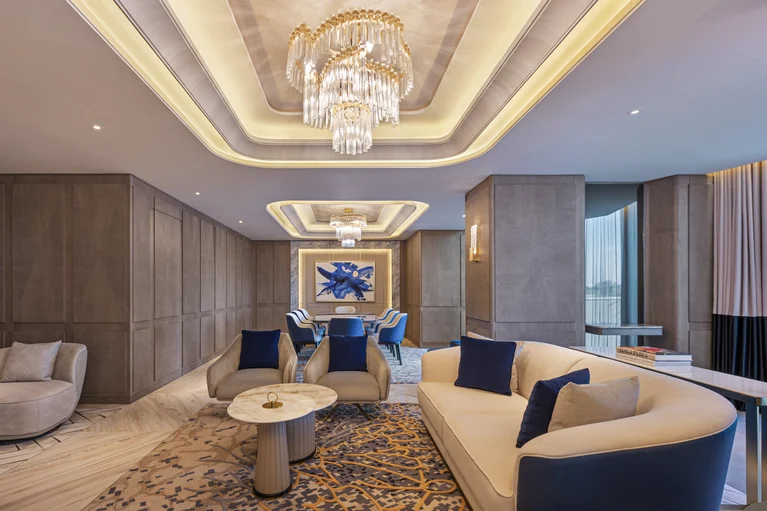
Flooring takes a beating. Every footstep, rolling chair, and dropped coffee cup leaves a mark. Picking the wrong surface leads to early wear, safety slips, and constant cleaning bills. Good flooring handles daily traffic while matching the space’s purpose.
From busy hallways to quiet offices, each room needs a different material. Experienced commercial fit out contractors know these differences well and use these tips to choose flooring that lasts and looks great.
Consider high traffic needs
Floors face constant movement every day. Think about how many people use the space. High traffic areas require durable materials that resist wear. Hard surfaces or sturdy tiles last longer in busy hallways. Choosing tough options prevents constant repairs and keeps costs low over time.
Evaluate maintenance requirements
Cleaning takes time and money. Some materials demand special care or daily polishing. Busy offices benefit from floors that stay clean with minimal effort. Low maintenance choices allow staff to focus on work rather than constant upkeep. Think about spill resistance, especially in break rooms or kitchens.
Consider safety and comfort
Staff wellbeing starts from the ground up. Slippery floors cause accidents that lead to lost time. Look for slip resistant textures in entrance areas or bathrooms. Comfort also matters for employees standing all day. Softer options reduce fatigue and joint pain. A happy team works better when the environment feels supportive.
Match aesthetics to brand identity
Interiors communicate values to visitors. Bright, light colors create an open feel in small rooms. Darker shades add warmth and professional depth to meeting zones. Pick patterns or textures that align with the business vibe. Consistency across different zones builds a polished look that feels intentional and well designed.
Acoustic control matters
Noise levels affect productivity. Hard surfaces reflect sound, creating echoes that distract workers. Carpet tiles or rubber floors absorb noise effectively. Reducing background chatter helps everyone concentrate on tasks. Combining different materials works well to balance style with quiet zones, helping teams stay focused throughout the day.
Think about long term flexibility
Business needs change quickly. Growth might require moving desks or shifting layouts frequently. Modular flooring systems offer great adaptability. Replacing a single damaged tile beats replacing an entire floor. Durable, modular solutions save effort during future updates. Planning ahead keeps the office functional as the company evolves and grows.